
What is CaseMobile?
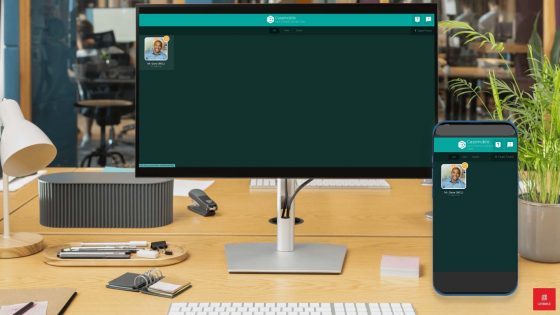
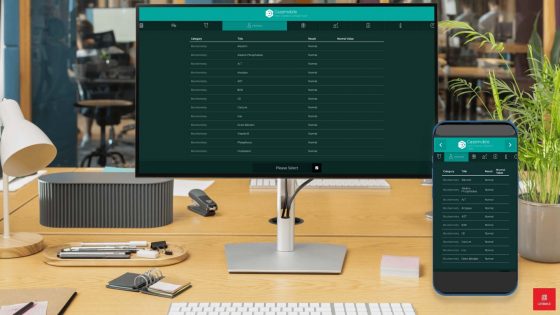
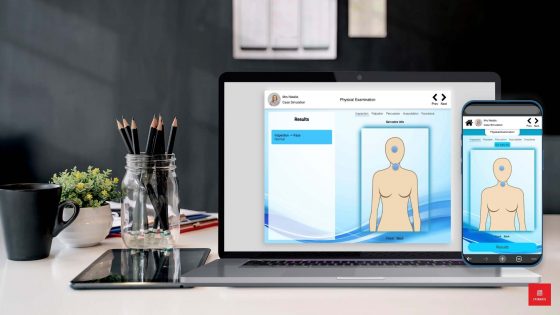
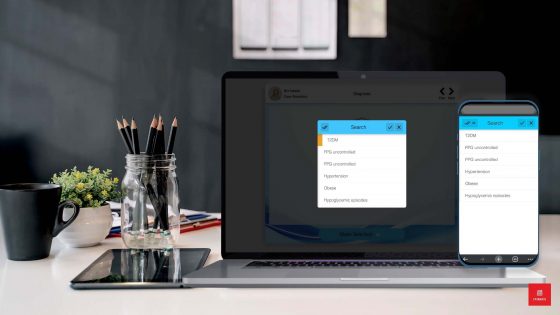
CaseMobile is a lightweight patient case simulation tool that turns clinical content into an interactive puzzle.
Designed for pharmaceutical engagements where simplicity matters, CaseMobile presents patient cases in a structured, choice-based format that invites curiosity and active participation. Instead of passively reviewing slides, physicians navigate the case step by step — making decisions, uncovering information, and reflecting on their approach.
Not every therapeutic area requires AI or complex simulations.
CaseMobile proves that simple, well-designed interaction can be just as powerful.
More about CaseMobile
How CaseMobile Works
-
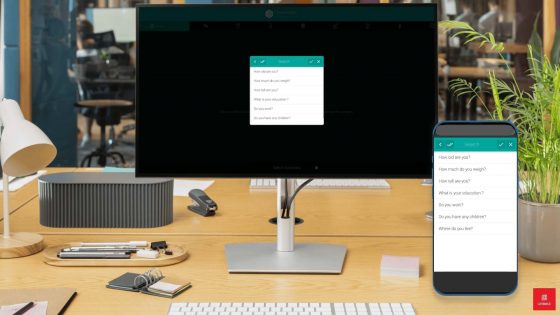
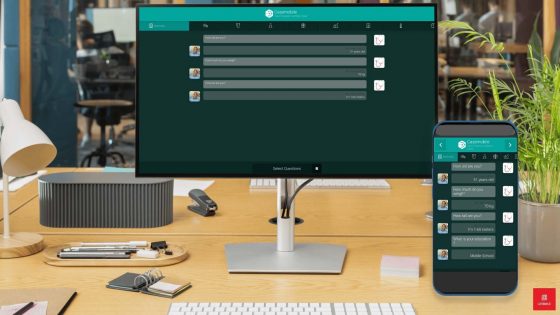
Physicians select their history-taking questions from a comprehensive list
-
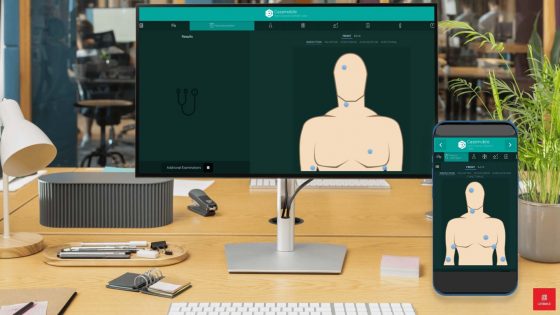
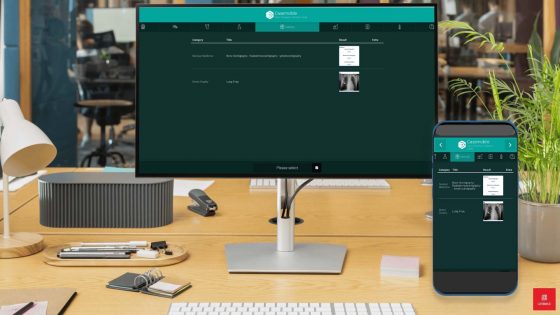
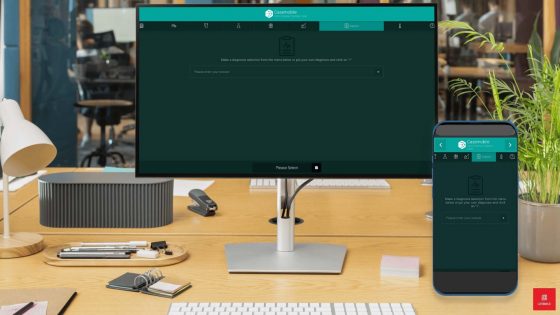
They choose tests, diagnoses, and treatment options relevant to the case
-
Answers and test results are instantly provided in the same structured format
-
All questions and selections are reported anonymously
-
Physicians can:
-
Reflect on their own decision-making
-
Identify gaps or alternative approaches
-
-
Feedback is delivered through:
-
A moderator in workshops or live meetings
-
Automated feedback in standalone use
-
Why CaseMobile Works
CaseMobile leverages curiosity and gamified logic to increase attention and retention.
By transforming patient cases into a puzzle-like experience, it:
-
Keeps doctors engaged without cognitive overload
-
Encourages self-reflection rather than passive learning
-
Fits naturally into short interactions and busy schedules
Engagement doesn’t always require sophistication —
sometimes it requires clarity, structure, and smart design.
Built for Insight, Not Just Interaction
Every interaction within CaseMobile is captured and visualized in a dedicated analytics dashboard, enabling you to:
-
Understand physician preferences and tendencies
-
Identify common decision patterns
-
Provide meaningful, data-driven feedback
Ideal Use Cases
-
Email campaigns
-
Sales & MSL meetings
-
Short workshops and congress activities
-
Therapeutic areas where clarity and speed matter


What is CaseTalk?
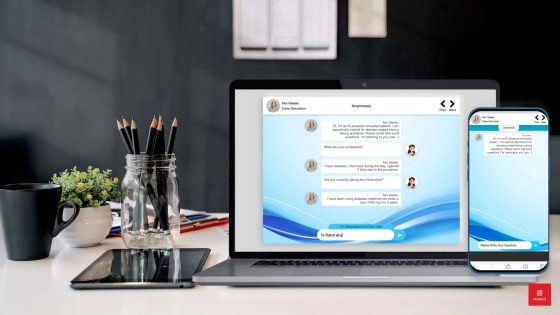
CaseTalk is an AI-driven patient simulation platform that turns passive case content into real clinical thinking.
Instead of reading static patient profiles or reviewing slide decks, physicians interact with a living digital patient. They ask questions in their own words, follow their natural clinical reasoning, and receive responses generated by an AI-supported patient model built on predefined, validated content.
This allows doctors to move through history taking, examination, testing, and decision-making exactly as they would in real life — but in a safe, structured, and analyzable environment.
More about CaseTalk
How CaseTalk Works
-
Physicians ask spontaneous history-taking questions, just as they would in daily practice
-
The AI patient responds contextually, enabling full patient management workflows
-
Every interaction reflects real-world clinical behavior, not multiple-choice assumptions
-
Questions, decisions, and tests are anonymously recorded
-
A moderator or expert can:
-
Provide real-life clinical feedback
-
Facilitate discussion
-
Guide workshops and peer learning sessions
-
-
All interactions are captured in a dedicated analytics dashboard for deeper insights
Why CaseTalk Is Different
CaseTalk doesn’t test what doctors know —
it reveals how they think.
By capturing physicians’ natural questions and decision paths, the platform uncovers:
-
Diagnostic priorities
-
Information gaps
-
Practice patterns
-
Variations in patient management
These insights create a powerful foundation for education, discussion, and meaningful engagement.
One Platform. Multiple Use Cases.
CaseTalk can be seamlessly integrated into:
-
Email campaigns
-
MSL interactions
-
Webinars
-
Workshops and face-to-face meetings
It serves both educational objectives and pharmaceutical communication needs — without compromising clinical authenticity.

What is CaseTree?
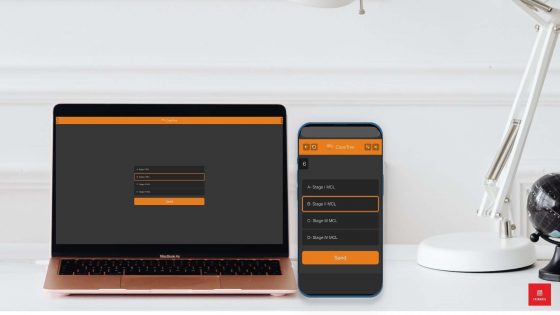
CaseTree is an algorithm-based patient simulation platform that shows doctors the consequences of their clinical decisions.
Rather than focusing only on what treatment to choose, CaseTree reveals what happens next. Physicians manage a digital patient through branched clinical scenarios, where each decision leads to a different outcome. This allows doctors to explore cause-and-effect relationships in diagnosis and treatment — safely, realistically, and without risk to real patients.
More about CaseTree
How CaseTree Works
-
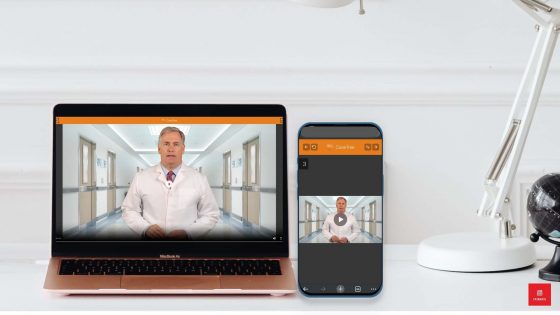
Physicians listen to a structured patient history presented as a branched scenario algorithm
-
An expert narrator or animated physician provides background and clinical context
-
Doctors:
-
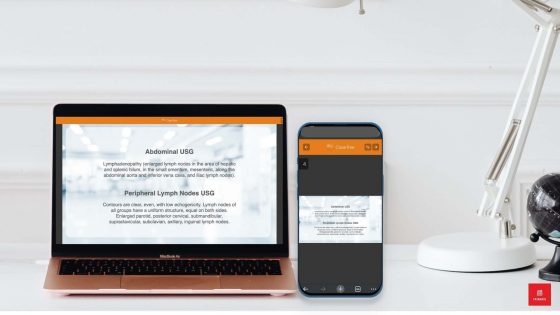
Order diagnostic tests
-
Choose treatment options
-
Progress through the case based on their decisions
-
-
Each physician follows a unique patient journey, even within the same case
-
Immediate, journey-based feedback is provided after completion
Why CaseTree Is Powerful
CaseTree transforms clinical learning from recommendation-based education into consequence-based understanding.
By visualizing how decisions alter patient outcomes, it:
-
Strengthens diagnostic and treatment reasoning
-
Improves clinical confidence
-
Encourages reflective, outcome-oriented thinking
Algorithm-driven simulations are especially effective for therapeutic areas where sequencing, timing, and choice matter.
Insight Beyond Education
CaseTree enables both one-to-one and one-to-many interactions, capturing how physicians reason through complex cases.
This allows you to:
-
Identify decision patterns and variations
-
Understand clinical priorities and uncertainties
-
Design tailored educational strategies that align with real-world practice
All interactions are captured in a dedicated analytics dashboard for structured analysis.
Designed for Pharmaceutical Education
CaseTree is ideal for pharmaceutical companies aiming to:
-
Demonstrate the clinical impact of treatment decisions
-
Educate physicians on appropriate use and sequencing
-
Support meaningful, evidence-based discussions
It combines realism, structure, and insight — turning education into an experience that improves patient outcomes.
What is CarePath AI?
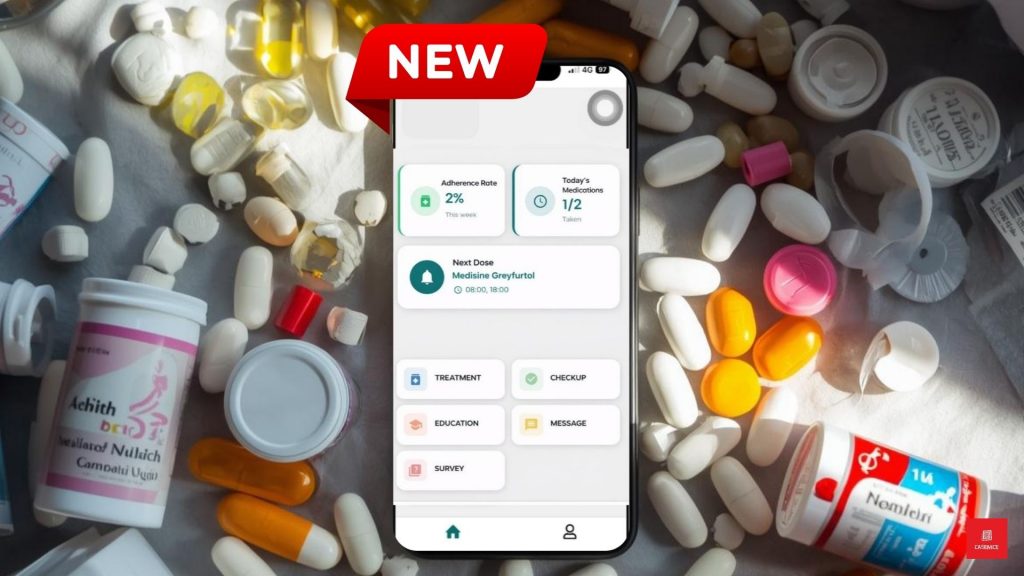
CarePath AI is an AI-powered patient support application designed to improve long-term treatment adherence.
It accompanies patients throughout their treatment journey, providing continuous, mobile-first support beyond the moment of prescription. By combining intelligent communication with behavioral insights, CarePath AI helps patients stay engaged, informed, and consistent with their therapy in real-life settings.
Mora about CarePath AI
How CarePath AI Works
-
Patients receive ongoing AI-supported communication throughout their treatment journey
-
The app delivers:
-
Timely reminders
-
Behavior and adherence tracking
-
Educational content tailored to the therapy
-
-
Interactions are designed to support daily routines and long-term habits
-
Engagement adapts over time based on patient behavior and needs
Why CarePath AI Matters
Prescribing a treatment does not guarantee adherence.
CarePath AI addresses the gap between prescription and real-world use by focusing on:
-
Continuity rather than one-time interventions
-
Daily behaviors rather than isolated events
-
Support rather than supervision
By staying connected to patients over time, the platform helps improve real-world compliance and treatment persistence.
Designed for Patient-Centered Support Programs
CarePath AI is built to support:
-
Pharmaceutical company patient support programs (PSPs)
-
Healthcare providers seeking scalable adherence solutions
-
Long-term and chronic treatment pathways
The application is designed to integrate seamlessly into existing support frameworks while maintaining a patient-centered, ethical approach.
Insight Beyond Engagement
CarePath AI enables structured tracking of adherence-related behaviors, allowing programs to:
-
Understand engagement trends
-
Identify adherence challenges
-
Optimize support strategies
These insights help improve both patient experience and program effectiveness.
Mobile-First. Long-Term Focused.
CarePath AI is designed for everyday use — simple, accessible, and supportive.
Because sustained adherence is built through small, consistent actions, not occasional reminders.